
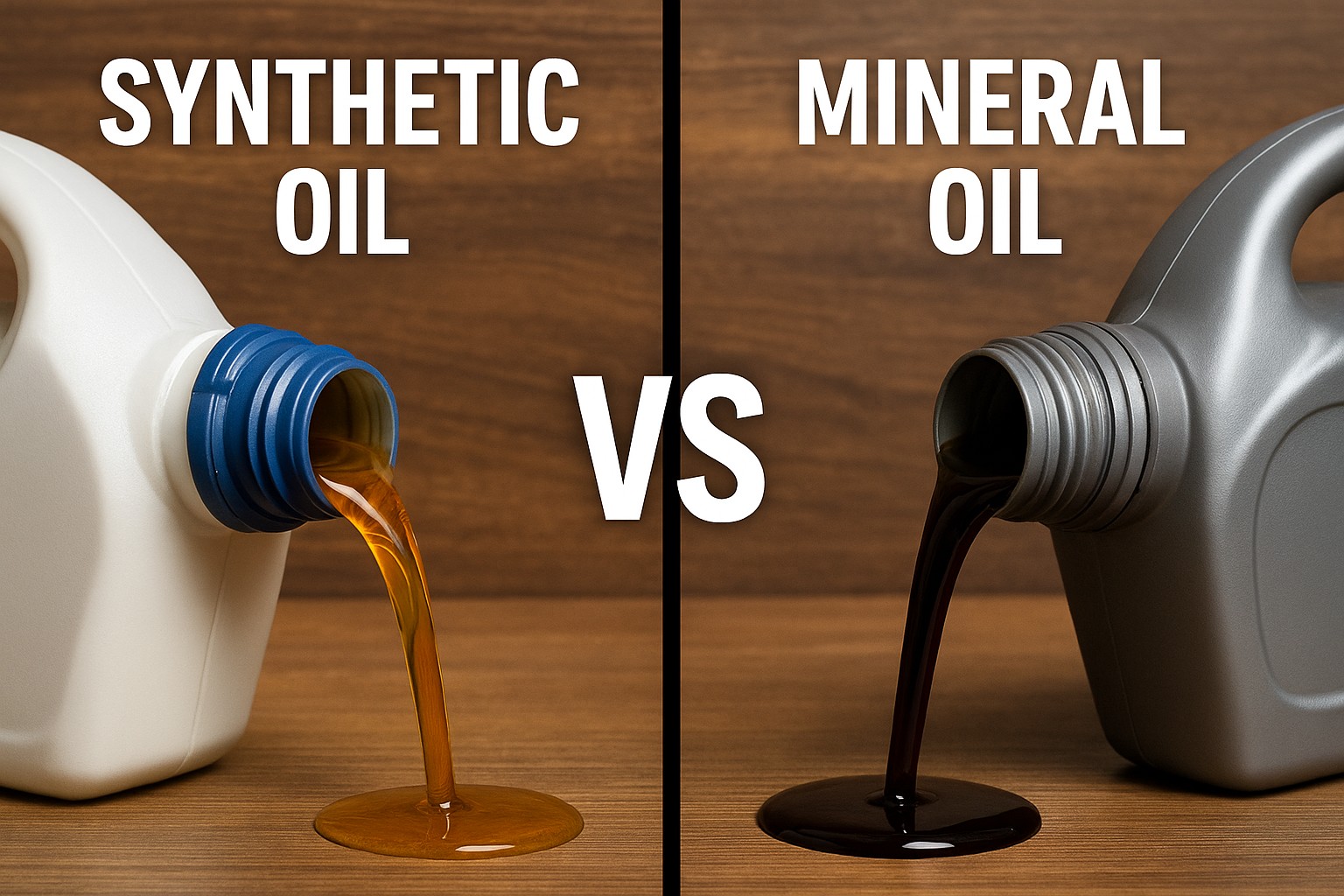
Choosing the right compressor oil is essential for maintaining the performance, efficiency, and reliability of industrial air compressors. Compressor oil plays an important role in reducing friction, controlling operating temperatures, preventing wear, and protecting internal components from corrosion.
When selecting air compressor oil, industrial users commonly compare two options: mineral compressor oil and synthetic compressor oil. Both types are designed to lubricate compressor components, but they differ in performance, operating temperature range, oxidation resistance, service life, and maintenance requirements.
For industries using rotary screw, reciprocating, and other industrial compressors, selecting the correct compressor lubricating oil can help reduce maintenance costs and improve equipment reliability.
What Is Compressor Oil?
Compressor oil is a specially formulated lubricant used in air compressors to reduce friction between moving components and protect internal parts from excessive heat and wear.
In oil-injected rotary screw compressors, compressor oil also helps seal the gaps between rotors, remove heat generated during compression, and protect components against corrosion.
The main functions of industrial compressor oil include:
- Lubrication: Reduces friction between moving components.
- Cooling: Helps control operating temperatures.
- Sealing: Supports effective sealing between compressor rotors.
- Protection: Reduces wear, rust, and corrosion.
- Cleaning: Helps manage contaminants and deposits.
- Performance: Supports reliable compressor operation.
Using the correct air compressor oil helps maintain operational efficiency and extend equipment service life.
What Is Mineral Compressor Oil?
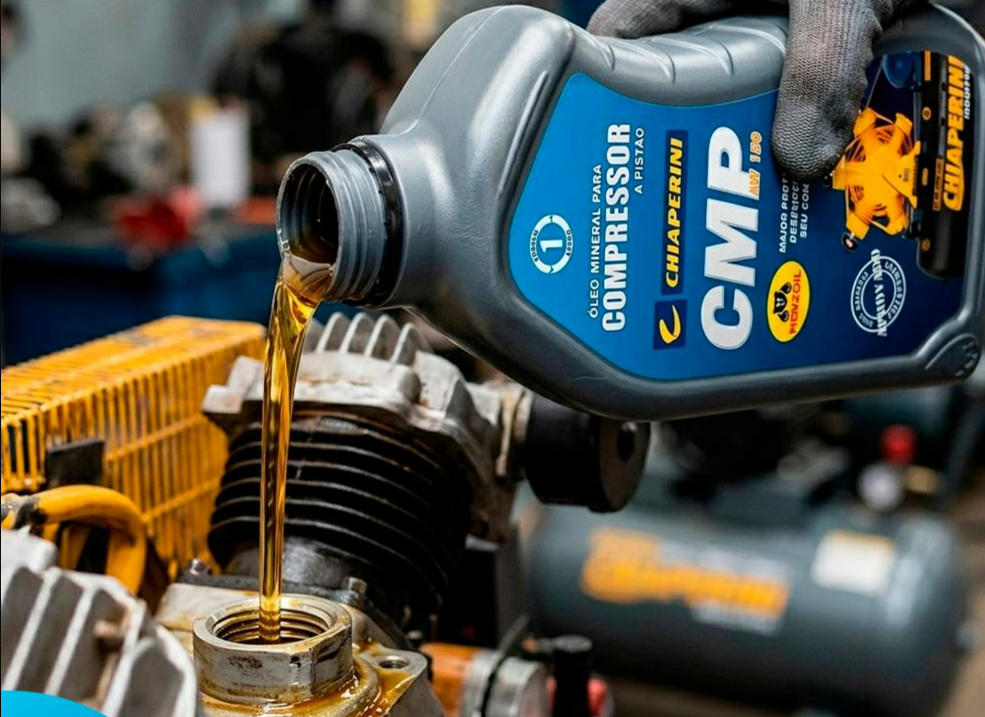
Mineral compressor oil is manufactured using refined petroleum-based base oils combined with additives to improve lubrication, oxidation stability, and corrosion protection.
It is commonly used in industrial compressors operating under standard working conditions.
Benefits of Mineral Compressor Oil
- Generally lower initial purchase cost.
- Suitable for compatible compressors operating under normal conditions.
- Provides essential lubrication and wear protection.
- Available in different viscosity grades.
- Suitable for certain reciprocating and rotary screw compressor applications.
Limitations of Mineral Compressor Oil
- Typically has a shorter service life than comparable synthetic formulations.
- May oxidize faster under high-temperature operating conditions.
- Can form sludge and deposits as it ages.
- May require more frequent oil changes.
- May not perform as well under demanding operating conditions.
Mineral oil can be a practical option for compressors with moderate operating hours when the manufacturer recommends its use.
What Is Synthetic Compressor Oil?
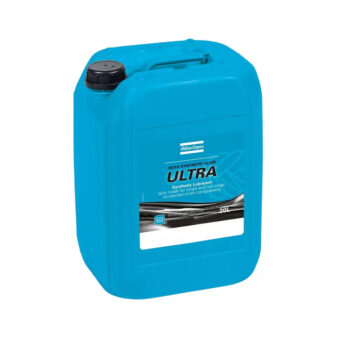
Synthetic compressor oil is manufactured using chemically engineered base oils and carefully selected additives to deliver enhanced lubrication and performance.
It is designed for demanding industrial applications where compressors operate for extended hours, under higher temperatures, or in challenging environments.
Benefits of Synthetic Compressor Oil
- Better oxidation resistance in many formulations.
- Longer potential oil service intervals.
- Improved performance across a wider temperature range.
- Better resistance to sludge and deposit formation.
- Helps reduce wear and protect compressor components.
- Can support reduced maintenance frequency.
Limitations of Synthetic Compressor Oil
Higher initial purchase cost.
Compatibility must be checked before changing oil types.
Different synthetic formulations have different performance characteristics.
Incorrect mixing with other lubricants may affect performance.
Synthetic compressor oil is often preferred for continuous industrial operations when its performance specifications match the compressor manufacturer’s recommendations.
Mineral vs Synthetic Compressor Oil: Key Differences
Understanding the differences between mineral and synthetic compressor oil helps maintenance teams select the right lubricant for their equipment.
Comparison Factor | Mineral Oil | Synthetic Oil |
|---|---|---|
Base oil | Petroleum-based | Chemically engineered |
Initial cost | Generally lower | Generally higher |
Oxidation resistance | Generally lower | Generally higher |
Service life | Often shorter | Often longer |
Temperature performance | Application dependent | Often wider operating range |
Deposit formation | May increase with ageing | Often better controlled |
Maintenance frequency | May be higher | May be lower |
Industrial applications | Standard operating conditions | Demanding operating conditions |
Note: Actual performance depends on the oil formulation, viscosity, compressor design, operating conditions, and manufacturer specifications.
Which Compressor Oil Is Better for Rotary Screw Compressors?
Rotary screw compressors are widely used in manufacturing plants, pharmaceutical facilities, automotive industries, food processing units, and other industrial applications.
These compressors require suitable rotary screw compressor oil to lubricate rotating components, remove heat, seal rotor clearances, and protect internal surfaces.
Both mineral and synthetic oils can be used in rotary screw compressors, provided they meet the compressor manufacturer’s specifications.
Mineral Oil for Rotary Screw Compressors
Mineral oil may be suitable when:
- The compressor operates for limited daily hours.
- Operating temperatures remain within recommended limits.
- The manufacturer approves mineral-based lubricants.
- Initial lubricant cost is a major consideration.
Synthetic Oil for Rotary Screw Compressors
Synthetic oil may be suitable when:
- The compressor operates continuously.
- The machine experiences demanding operating temperatures.
- Longer oil service intervals are approved.
- Reduced maintenance downtime is a priority.
Before changing from mineral to synthetic oil, always check lubricant compatibility and follow the manufacturer’s flushing and conversion instructions.
Understanding Compressor Oil Grades
Selecting the correct compressor oil grades is important for maintaining proper lubrication and compressor performance.
Oil viscosity determines how easily the lubricant flows at different temperatures. Common industrial compressor oil viscosity grades include ISO VG 32, ISO VG 46, and ISO VG 68.
Oil Grade | Typical Application |
|---|---|
ISO VG 32 | Applications requiring lower-viscosity lubricants |
ISO VG 46 | Common industrial compressor applications |
ISO VG 68 | Applications requiring higher-viscosity lubricants |
The correct grade depends on compressor design, ambient temperature, operating temperature, and manufacturer recommendations.
Important: Do not select compressor oil based only on viscosity. Always verify the required lubricant type, OEM specifications, and applicable performance standards.
Conclusion: Mineral vs Synthetic Compressor Oil – Which Is Better?
Both mineral and synthetic compressor oils offer important benefits, but the right choice depends on compressor specifications, operating conditions, and maintenance requirements.
Mineral compressor oil can be a cost-effective option for suitable standard-duty applications. Synthetic compressor oil may offer better oxidation resistance, longer service life, and improved performance in demanding industrial environments.For rotary screw compressors and other industrial air compressors, always select compressor oil that meets the manufacturer’s specifications.
Choosing the right compressor lubricating oil, maintaining proper oil change intervals, and following preventive maintenance practices can help improve compressor reliability and reduce operating costs.
Need help selecting the right compressor oil or maintaining your industrial air compressor? Contact Hiraba Engineers for compressor spare parts and engineering support.