


11 Tips Need-to-Know Rotary Screw Air Compressor Maintenance
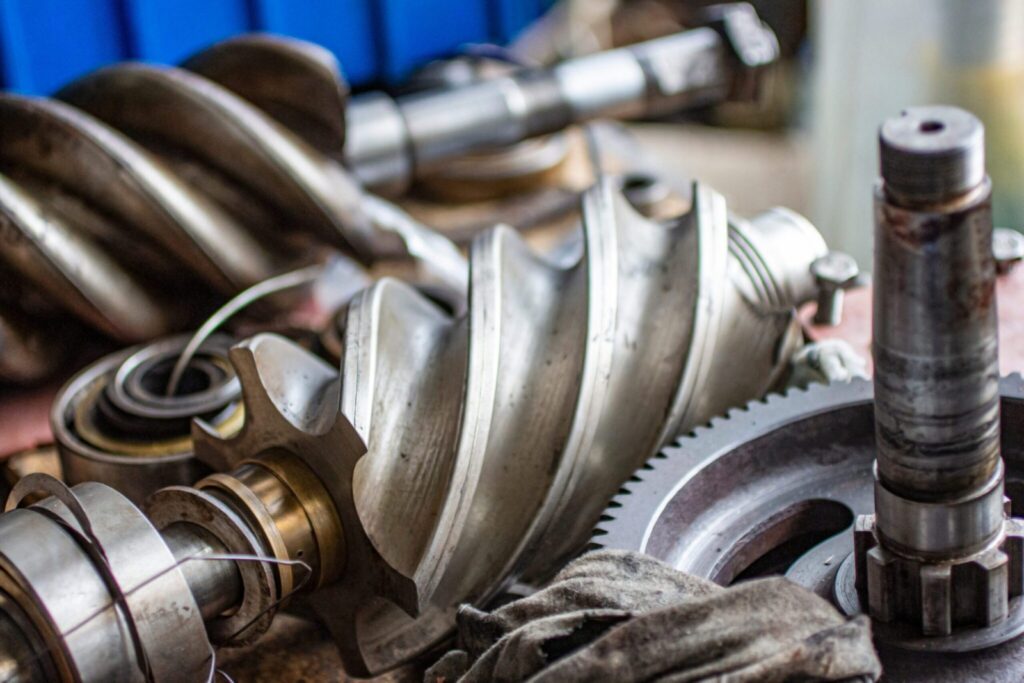
Developing a comprehensive maintenance program is essential for the reliable and efficient operation of your Rotary Screw Air Compressor and overall air compressor system. Proper maintenance reduces energy consumption, prevents unexpected downtime, and extends equipment life.
Industry studies show that a proactive maintenance strategy can lower repair costs by up to 70%, making it one of the most cost-effective steps you can take as a plant manager or maintenance professional.
Here are the ten critical air compressor maintenance items you should address regularly:
1. Change Air Filters Every 4,000 Hours
Air filters prevent dust and debris from entering your Rotary Screw Air Compressor. Inspect them every 2,000 hours and replace them every 4,000 hours, or according to the manufacturer’s service indicators.
Dirty filters increase pressure drop, making the system less efficient. Even a 2-PSIG pressure drop caused by clogged filters can increase energy consumption by around 1%.
Modern compressors monitor intake air and oil filter pressure differentials, alerting operators if there’s a problem.
2. Check Oil Levels Before Startup
Always check the oil level using the sight glass before starting your air compressor. Replace oil filters every 2,000 hours to remove contaminants like metal filings or calcium.
In demanding environments, such as dusty or high-temperature conditions, shorten oil change intervals. Food-grade oils require sampling every 1,000 hours and acting on the analysis results.
Oil-free compressors require less frequent maintenance, but after 5–7 years, they will need a complete rebuild—a labor-intensive and expensive process.
3. Clean Condensate Traps and Drains Daily
Moisture traps and drains in tanks, filters, and dryers collect scale, rust, and dirt. Inspect and clean these daily.
- A stuck-open drain wastes air.
- A stuck-closed drain allows moisture and contaminants to flow into your compressed air system, potentially damaging equipment.
Daily cleaning keeps your Rotary Screw Air Compressor running efficiently and protects downstream processes.
4. Use Only OEM-Specified Oils and Lubricants
Rotary compressor oil is critical—it acts as the lifeblood of your system. Using OEM-approved oils and lubricants ensures optimal lubrication, reduces wear, and maintains warranty eligibility.
For more, see our blog post: Choosing the Right Oil for Rotary Air Compressors
5. Change the Oil Separator and Lubricant on Schedule
- Spin-on type: every 4,000 hours
- Standard drop-in type: annually or every 8,000 hours
Check the oil separator’s pressure differential; if it exceeds 10 PSIG, replace it immediately. Blocked separators increase energy consumption, just like clogged filters. Also, ensure scavenge lines are clear, as clogs are a common cause of oil carry-over.
6. Sample Oil Regularly
Collect oil samples every 2,000 hours (or 1,000 hours for food-grade oils) for analysis.
Key readings include:
- Viscosity: Measures fluid thickness and ability to suspend contaminants.
- Total Acid Number: Tracks acid formation as oil ages.
Regular oil sampling helps prevent varnish, sludge, and internal wear.
Read more: Choosing the Right Oil for Rotary Air Compressors
7. Repair Air Leaks Quickly
Air leaks are one of the most significant sources of energy loss in compressed air systems. Poorly maintained systems can lose 30–50% of compressed air, and some extreme cases reach 80%.
Tip: Use ultrasonic leak detectors or visual acoustic imaging devices to locate leaks efficiently.
Learn more: How to Find and Stop Air Leaks
8. Use Only Quality OEM Parts
Using genuine industrial air compressor parts improves reliability, extends equipment life, and ensures consistent air quality. OEM parts meet strict performance and quality standards, essential in industries like food processing, electronics, and semiconductors.
Using aftermarket parts may seem like a short-term saving but can increase long-term energy costs, downtime, and maintenance expenses, while potentially voiding warranties.
For more information: How to Maintain Your Air Compressor with Genuine Spare Parts
9. Maintain Warranty Eligibility
Your warranty depends on using original OEM parts and lubricants. offers:
- Standard 12-month warranty on the complete compressor package
- 24-month airend warranty
- Lifetime airend warranty on KRSP and KRSP2 compressors
Using non-OEM parts can void coverage, so follow manufacturer recommendations carefully.
10. Adopt a Consistent Maintenance Program
A consistent maintenance schedule ensures high-quality compressed air, energy efficiency, and prolonged compressor life. While some advanced inspections (like ultrasonic leak detection) may require professional expertise, having a trained consultant can save money and prevent serious problems.
Partnering with an independent air compressor professional ensures your Rotary Screw Air Compressor runs at peak efficiency and reliability.
Pro Tip: Work with a local, experienced consultant rather than a factory-direct all-in-one contract for more personalized, cost-effective service.
11. Monitor Operating Temperature and Pressure
Keeping an eye on your Rotary Screw Air Compressor’s operating temperature and pressure is crucial for both efficiency and safety. Abnormal readings can indicate problems such as:
- Blocked coolers or filters
- Insufficient lubrication
- Internal component wear
- Excessive air leaks
Tip: Install monitoring devices or regularly check gauges to detect anomalies early. Maintaining optimal temperature and pressure prevents unnecessary wear, reduces energy consumption, and avoids unexpected downtime.
What You Need to Know
- Change air filters every 4,000 hours or per manufacturer guidelines.
- Check oil levels before startup.
- Clean condensate traps and drains daily.
- Use only OEM-specified oils and lubricants.
- Replace oil separators and lubricants on schedule.
- Sample oil every 2,000 hours (1,000 hours for food-grade oil).
- Repair air leaks promptly.
- Use genuine OEM parts to ensure reliability and warranty coverage.
- Maintain warranty eligibility.
- Follow a consistent maintenance program and consider professional assistance.
Need Help Getting Started?
Maintaining your Rotary Screw Air Compressor is critical to your compressed air system’s performance and the processes it supports.
We can help you develop a maintenance program tailored to your plant’s needs. Contact our experts today for guidance and support.
 Leave a message