
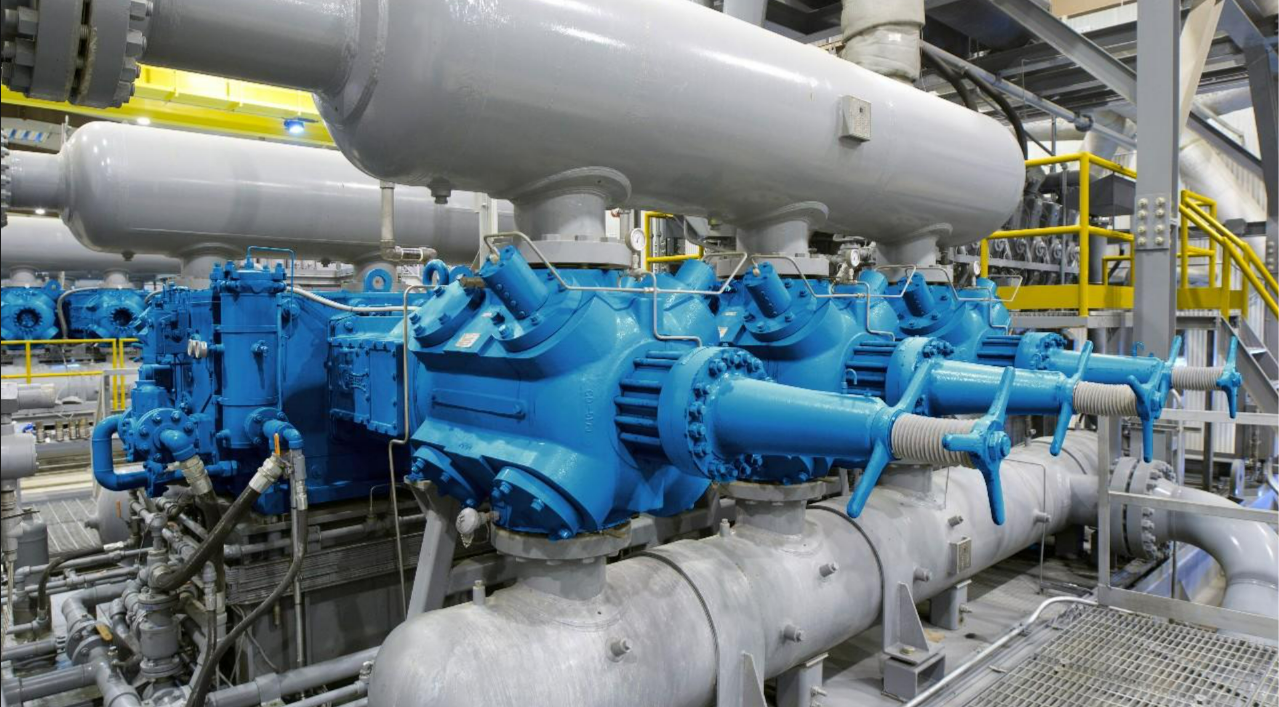
Gas compression plays an important role in modern industrial operations, where gases must be transported, stored or supplied at specific pressures. From oil and gas processing plants to chemical manufacturing facilities, industries depend on reliable compression systems to maintain continuous production and efficient operations. A gas compressor is an essential piece of equipment designed to increase gas pressure by reducing its volume or transferring mechanical energy into the gas.
Different industries require different compression technologies depending on gas composition, operating pressure, flow rate and application requirements. Selecting the right industrial gas compressor can improve operational performance, support process stability and reduce unnecessary maintenance expenses.
What Is a Gas Compressor?
A gas compressor is a mechanical machine that increases the pressure of a gas by applying external energy. It draws gas at a lower pressure and delivers it at a higher pressure to meet specific industrial or process requirements.
Unlike standard air compressors, which primarily handle atmospheric air, gas compressors are designed to work with different gases, including natural gas, nitrogen, hydrogen, carbon dioxide, oxygen and other industrial gases. Their construction and material selection depend on the physical and chemical properties of the gas being compressed.
A properly selected gas compressor helps industries maintain the required pressure for gas transportation, processing, storage and manufacturing operations.
Types of Gas Compressors Used in Industrial Applications
Different compression technologies are available to meet industrial requirements. The selection depends on pressure ratio, gas flow, operating conditions and the characteristics of the gas.
1. Reciprocating Gas Compressor
A reciprocating gas compressor operates through a piston moving inside a cylinder. The piston compresses the gas by reducing the available cylinder volume.
The compressor typically uses suction and discharge valves to control gas movement during the compression cycle.
Key features:
- Suitable for high-pressure applications.
- Available in single-stage and multi-stage configurations.
- Can handle a wide range of gas flow requirements.
- Suitable for applications requiring controlled gas delivery.
Applications: Natural gas processing, gas storage, petrochemical plants, industrial gas facilities and high-pressure gas transfer.
2. Rotary Screw Gas Compressor
- A rotary screw gas compressor uses two intermeshing helical rotors to compress gas continuously. As the rotors rotate, gas enters the compression chamber, becomes trapped between the rotor profiles and casing, and is compressed as the available volume decreases.
- Depending on the application, screw compressors can use oil-injected or oil-free compression arrangements.
Key features:
- Continuous gas compression.
- Smooth operation with relatively low pulsation.
- Suitable for consistent gas flow requirements.
- Available in different industrial capacities.
Applications: Process industries, chemical manufacturing, gas recovery systems and selected industrial gas handling applications.
3. Centrifugal Gas Compressor
- A centrifugal gas compressor uses a rapidly rotating impeller to increase the velocity of incoming gas. The gas then passes through a diffuser, where part of its velocity energy is converted into pressure.
- These compressors are generally selected for applications requiring high gas flow rates.
Key features:
- Suitable for large-volume gas flow.
- Continuous compression operation.
- Compact design relative to some high-capacity alternatives.
- Commonly used in large industrial installations.
Applications: Refineries, natural gas transmission, petrochemical plants, power generation and large process facilities.
4. Diaphragm Gas Compressor
- A diaphragm gas compressor uses a flexible diaphragm to compress gas without direct contact between the gas and the piston mechanism.
- This arrangement is particularly useful when gas purity, containment or leakage prevention is important.
Key features:
- Helps prevent contamination from lubricating oil.
- Suitable for specialised gas applications.
- Provides effective gas separation from mechanical components.
- Useful for certain high-purity and hazardous gas services.
Applications: Hydrogen compression, laboratory systems, speciality gas processing and selected chemical applications.
5. Rotary Vane Gas Compressor
- A rotary vane compressor consists of a rotor fitted with sliding vanes inside a cylindrical housing. As the rotor turns, the vanes create chambers of varying volume, allowing gas to enter and become compressed.
Key features:
- Relatively simple mechanical arrangement.
- Compact construction.
- Continuous compression process.
- Suitable for selected low-to-medium pressure applications.
Applications: Industrial gas handling, vacuum-related processes and specialised gas transfer systems.
- How Does a Gas Compressor Work?
- The working principle of a gas compressor depends on its design. However, most industrial gas compression systems follow a similar operating sequence.
Step 1: Gas Intake
- Gas enters the compressor through the suction connection. Inlet filters or other conditioning equipment may be used to remove unwanted particles or moisture, depending on the application.
Step 2: Compression Process
- The compressor’s internal mechanism increases gas pressure. Reciprocating compressors use piston movement, screw compressors use rotating screw elements, and centrifugal compressors use impellers and diffusers.
Step 3: Temperature Management
- Gas temperature generally increases during compression. Depending on the system design, cooling arrangements such as intercoolers, aftercoolers or heat exchangers may be required.
Step 4: Gas Discharge
- The compressed gas exits through the discharge connection at the required operating pressure and moves towards the next stage of the industrial process.
Step 5: Pressure and Performance Monitoring
- Pressure, temperature, vibration and other operating parameters are monitored to maintain safe and stable compressor operation.
Major Industrial Applications of Gas Compressors
A gas compressor is used across multiple industries where gases must be pressurised, transferred or processed.
1. Oil and Gas Industry
Gas compressors support natural gas transportation, gathering systems, gas injection, processing and storage operations. They help maintain the pressure required for moving gas through pipelines and industrial equipment.
2. Chemical and Petrochemical Industry
Chemical plants use gas compressors for handling process gases, feeding production systems and maintaining required operating pressures during different manufacturing stages.
3. Power Generation Industry
Gas compression systems are used in power plants to supply fuel gas at the pressure required by gas turbines and other equipment.
4. Hydrogen and Industrial Gas Processing
Specialised compressors are used to increase the pressure of hydrogen and other industrial gases for storage, processing and transportation. Material compatibility and leakage control are especially important in these applications.
5. Manufacturing and Processing Plants
Industrial facilities use gas compressors for production processes, gas circulation, recovery systems and other specialised applications where consistent pressure is essential.
6. Refrigeration and Gas Handling
Certain gas compression technologies are also used in refrigeration and industrial cooling systems, where compressors circulate and pressurise refrigerant gases as part of the refrigeration cycle.
Key Benefits of Using an Industrial Gas Compressor
Investing in the right gas compression system offers several operational advantages.
1. Improved Process Efficiency : Maintaining the required gas pressure helps industrial equipment and production systems operate according to their design requirements.
2. Reliable Gas Transportation : Gas compressors support the movement of gases through pipelines, storage systems and processing equipment.
3. Flexible Pressure Requirements : Different compressor designs can accommodate a wide range of pressure ratios and gas flow requirements.
4. Continuous Industrial Operations : A properly selected and maintained compressor helps reduce unexpected interruptions and supports consistent production.
5. Better Process Control : Modern compressor systems can incorporate monitoring instruments, automation and control arrangements to maintain operating conditions.
6. Reduced Maintenance-Related Costs : Timely servicing, suitable operating conditions and the use of compatible replacement components can help extend equipment service life and minimise avoidable repair expenses.
Common Gas Compressor Problems and Maintenance Requirements
Regular inspection and preventive maintenance are essential for maintaining gas compressor performance. Some common problems include:
- High discharge temperature: May result from inadequate cooling, excessive compression ratios or operating issues.
- Gas leakage: Can occur due to damaged seals, gaskets, connections or other sealing components.
- Abnormal vibration: May indicate alignment issues, bearing wear, imbalance or mechanical damage.
- Reduced discharge pressure: Can be associated with valve leakage, internal wear, capacity-control problems or gas leakage.
- Unusual operating noise: May indicate mechanical wear, lubrication problems or loose components.
- Excessive oil consumption: In lubricated compressors, this may indicate worn components, incorrect lubrication or separator-related problems.
A preventive maintenance programme should include regular inspection of seals, valves, bearings, lubrication systems, filters, cooling equipment and other critical components. Replacement parts must be selected according to the compressor model, gas compatibility, operating pressure and manufacturer specifications.
How to Choose the Right Gas Compressor for Your Industry
Selecting an appropriate gas compressor requires a detailed understanding of the application. Before purchasing or specifying a compressor, consider the following factors:
- Gas composition: Identify the gas being compressed, including its chemical properties, moisture content and potential contaminants.
- Required discharge pressure: Determine the operating pressure required by the downstream process.
- Gas flow capacity: Calculate the required flow rate under actual operating conditions.
- Operating temperature: Consider inlet and discharge temperatures and the cooling requirements.
- Compressor technology: Select between reciprocating, rotary screw, centrifugal or diaphragm technology based on application requirements.
- Material compatibility: Ensure that internal components, seals and other wetted parts are compatible with the gas.
- Maintenance availability: Consider the availability of genuine or technically compatible replacement components and qualified service support.
Evaluating these factors helps businesses select a compression solution that meets their operational and technical requirements.
Why Gas Compressor Spare Parts and Regular Servicing Matter
The performance of an industrial gas compressor depends not only on its initial design but also on the condition of its internal components.
Parts such as piston rings, valves, gaskets, seals, bearings, packing assemblies and other critical components experience wear during operation. Their condition can directly influence compression performance, leakage control and equipment reliability.
Using correctly specified gas compressor spare parts helps maintain the intended operating characteristics of the equipment. Regular inspection and timely replacement of worn components can also reduce the risk of major mechanical failures.
Businesses should work with experienced compressor parts manufacturers and exporters who understand technical specifications, component dimensions, material requirements and equipment compatibility.
Conclusion
Gas compressors are essential for modern industrial operations, supporting applications across oil and gas, petrochemical, chemical processing, power generation and industrial gas handling.
Understanding the different types of gas compressors, their working principles and their applications helps businesses make better equipment decisions. Equally important are regular maintenance, correct component selection and timely replacement of worn parts.
Utility Engineers specialises in manufacturing and exporting industrial compressor spare parts and replacement components. We support compressor requirements through parts developed using technical drawings, part numbers, samples, dimensions and specifications.
Whether your requirement involves reciprocating compressor components, high-pressure compressor spares or industrial replacement parts, Utility Engineers aims to support your equipment maintenance and reliability requirements.
Looking for reliable gas compressor spare parts? Contact Utility Engineers to discuss your technical requirements and component sourcing needs.