
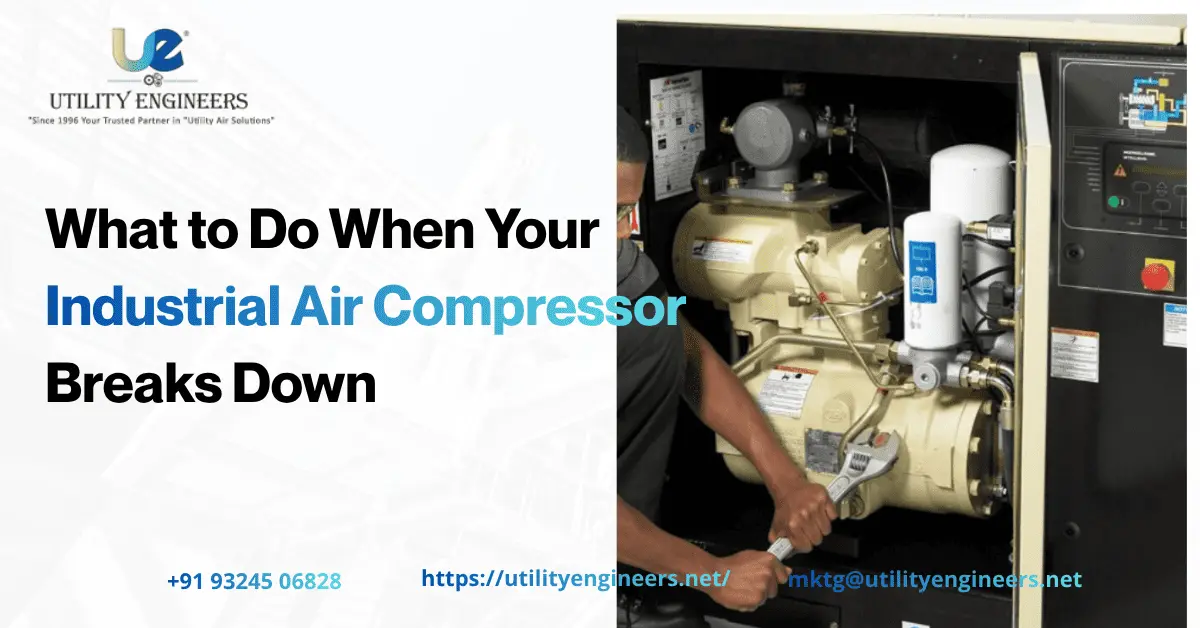
An industrial air compressor is the backbone of many manufacturing and production facilities. When it suddenly stops working, the impact goes beyond equipment failure—it can lead to production delays, missed deadlines, and unexpected repair expenses. Knowing how to respond quickly can minimize downtime and keep your operations running smoothly.
Key Takeaways
- Air compressor breakdowns can cause costly production interruptions.
- Quick action and proper diagnosis reduce repair time and expenses.
- A preventive maintenance plan helps avoid unexpected failures.
- Professional air compressor repair services ensure safe and reliable operation.
The Cost of Compressor Downtime
Many businesses underestimate the true cost of an air compressor failure. Besides repair bills, downtime affects employee productivity, order fulfillment, and overall operational efficiency. Emergency service charges, replacement parts, and rental compressors can quickly increase expenses.
Having a backup plan and scheduling regular industrial air compressor maintenance can significantly reduce these risks.
What to Do When Your Air Compressor Breaks Down
1. Shut Down the Compressor Safely
If you notice unusual noises, overheating, low pressure, or excessive vibration, turn off the compressor immediately. Follow your facility’s lockout/tagout procedures and release system pressure before inspecting the unit.
Safety should always be the first priority.
2. Inspect for Visible Problems
Perform a quick visual inspection and look for common issues such as:
- Air leaks
- Oil leaks
- Loose connections
- Damaged belts
- Broken hoses
Also, note any error codes or warning lights that appear on the control panel. This information will help speed up the repair process.
3. Gather Equipment Information
Before contacting a service provider, collect important details including:
- Compressor make and model
- Serial number
- Maintenance history
- Recent service records
Providing accurate information allows technicians to arrive prepared with the right tools and replacement parts.
4. Contact an Air Compressor Repair Specialist
Instead of attempting major repairs yourself, contact an experienced industrial air compressor repair company. Professional technicians can diagnose the problem quickly and recommend the most cost-effective solution.
If the compressor has frequent breakdowns or is nearing the end of its lifespan, they may also advise whether repairing or replacing the air compressor is the better long-term option.
5. Keep Production Moving
If possible, switch to a backup compressor or reschedule compressed-air-dependent operations until repairs are completed. Some businesses also rent portable compressors to reduce production downtime during emergencies.
Even partial operation can help minimize financial losses.
Prevent Future Breakdowns
The best way to avoid emergency repairs is through regular air compressor preventive maintenance. Routine inspections help identify worn components before they fail and improve overall system efficiency.
A preventive maintenance program should include:
- Air and oil filter replacement
- Belt inspection
- Leak detection
- Lubrication checks
- Pressure testing
- Performance monitoring
Regular servicing not only extends equipment life but also lowers energy consumption and reduces operating costs.
Conclusion
An industrial air compressor breakdown doesn’t have to disrupt your entire operation. By shutting down the system safely, inspecting for obvious issues, gathering equipment information, and contacting a qualified air compressor repair service, you can reduce downtime and control repair costs.
More importantly, investing in routine industrial air compressor maintenance and preventive servicing helps prevent unexpected failures, improves reliability, and keeps your business running efficiently. A proactive maintenance strategy is always more cost-effective than dealing with emergency repairs and extended production delays.